 The Honorable Debbie Dingell
 Vice Chair Aging and Families Task Force
 116 Cannon House Office Building
 Washington, DC 20515

 The Honorable Lucille Roybal-Allard
 Vice Chair Aging and Families Task Force
 2083 Rayburn House Office Building
 Washington, DC 20515

The Honorable Ayanna Pressley
Co-Chair Aging and Families Task Force
1108 Longworth House Office Building
Washington, DC 20515

The Honorable Jan Schakowsky
Co-Chair Aging and Families Task Force
2367 Rayburn House Office Building
Washington, DC 20515

The Honorable Conor Lamb
1224 Longworth House Office Building
Washington, DC 20515

The Honorable Doris Matsui
2311 Rayburn House Office Building
Washington, DC 20515
Dear Vice Chairs Dingell and Roybal Allard and Co-Chairs:
We,
the undersigned represent Healthy Shalom, an online portal for adults aged 65
and older who are at risk for or living with a chronic disease. We applaud your
efforts to highlight the needs of our senior population and encourage you to
continue to advocate for this often-neglected population.
Healthy
People 2020 reports that although older adults are living longer, they also
experience higher incidence of chronic diseases, such as diabetes,
cardiovascular disease, cancer and stroke. Social isolation and its impact on
older adults are other factors that contribute to the health and well-being of
this population.
African
American and Latinx older adults suffer disproportionately from chronic disease
in comparison to their white counterparts. As you prepare to introduce the
“Older American Bill of Rights” we urge you to include strategies that will
address healthy equity for older adults.
We
look forward to learning more about the “Older American Bill of Rights” which
your Caucus will introduce the end of the year. Moreover, thank you for acknowledging
the cost associated with aging and health care. It is imperative that policies
are put in place to protect the rights of older adults and keep the cost of
health care at a minimum through prevention intervention.
Healthy
Shalom is in alignment with your Caucus. We want our community to age with
dignity and self-efficacy. Thank you for championing the rights and dignity of
seniors.
Sincerely,
Rev. Albert Whitaker – Founder Healthy Shalom
Christine Attleboro
Thomas Croft
Gary Brown
Elena Santiago
Juan Herrera
Betty Brown
Prudence Cashwell
Raymond Hunter
Ezra Williams
Maria Rodriquez
Healthy Shalom is Christian ministry
that addresses social isolation, chronic disease and its impact on the health
and wellbeing of older adults 65 years of age and older. This online platform allows
for participants to interact, share and access resources that help them age
with dignity and self-efficacy. Positive health messaging and readily available
evidence-based education and materials are employed.
This online platform targets African
American and Latinx older adults at risk or living with a chronic disease.
Elements such as culturally competent and linguistically appropriate standards
will align with the national standards for Culturally and Appropriate Services in
Health and Healthcare. (National CLAS)1
The
goal of Healthy Shalom is to help to reduce the prevalence of chronic disease
and social isolation among the targeted population and provide a health
communication strategy that promotes the nexus between physical activity and
healthy eating as a means of reducing chronic disease and social isolation.
Healthy Shalom has over 15 years’
experience working with older adults in venues such as senior centers, older
adult programs in community organizations, and through our online platform and
social media providing quality evidence-based health education and activities.
Our community partners include exercise instructors, nutritionists, community
health workers, members of the faith-based community, licensed clinical social
workers and certified diabetes educators. All partners have been trained in
delivering our evidence-based health education developed by the Centers for
Disease Control and Prevention (CDC).
Research has shown that the
estimated number of people 65 years of age and older was 49.2 million in 2016.
By the year 2060 that number will reach 98 million.2 Older adults
are living longer. However, this population experiences higher incidence of
chronic disease.3 Social isolation and its impact on older adults is
another factor that contributes to the health and wellbeing of this population.
The prevalence of social isolation among older adults is 7-24% in comparison to
the general population at 7%.4
When examining race and ethnicity,
it is reported that African Americans suffer disproportionately when compared
to their white counterparts. Further, health perceptions and beliefs contribute
to how one manages their chronic disease. Social networks, such as family,
friends, and community help African Americans cope with their illness.5 Among Latinx older adults it is
anticipated that their numbers will increase significantly. Moreover, the onset
of chronic disease occurs much earlier than that of their white counterparts.
Factors such as poverty, educational attainment, poor health and segregated communities
also impact health outcomes.6
Providing an environment that promotes
healthy eating, physical activity and social engagement will help the target
population reach self-efficacy through reduction in weight and decrease in risk
for chronic disease. Moreover, Healthy Shalom will assist the targeted audience
living with chronic disease better manage their health and wellbeing. Most of
the interaction will take place through social media.
To reach the targeted audience of
African American and Latinx older adults at risk for or living with chronic
disease living in Boston, MA, Healthy Shalom will provide an online forum that is
safe, engaging and supportive of the participants engaged in the intervention.
Healthy Shalom partners with stakeholders
who are experts in various aspects of health and wellness specific to preventing
and managing chronic disease among older adults. The educational materials and
resources are both linguistically appropriate and culturally competent. Moreover,
all educational materials and resources are evidenced-based and sanctioned by
such entities as the CDC, Office of Minority Health and the Centers for
Medicare and Medicaid (CMS).
The goals and objectives of Healthy
Shalom are the following:
By
December 2019, 60% of active participants will have engaged in a minimum of
three hours of physical activity each week.
By
February 2020, 50% of active participants will have demonstrated consumption of
at least 6 servings of fresh fruits and vegetables weekly. This will be
demonstrated by self-reporting from a weekly food journal that will be shared
on the website and reviewed by the nutritionist.
By
March 2020, 75% of all participants will be able to articulate and understand
the link between lifestyle and reduced incidence of chronic disease.
By
May 2020, 50% of participants will have engaged with another participant at
least once per week.
The benefit of Healthy Shalom is providing
a “go to” website that is safe, respects privacy and is a resource for those older
adults living with chronic disease or at risk. Our partners are currently
working on providing educational materials in Spanish that are culturally competent
and linguistically appropriate. There is a native Spanish speaking partner that
will facilitate online training and education to Spanish speaking participants.
A barrier to the intervention might be
motivating the participants to be actively engaged in physical activity. Access
to walking trails, indoor facilities, mobility may be a deterrent. However, our
physical exercise partners have developed exercises for those who are homebound
or lack full mobility.
Short-term outcomes include an increase in
consumption of fresh fruits and vegetables and an increase in the amount of
physical activity performed after the start of the intervention. Upon
completion of the intervention, outcomes will produce a more health literate
group of participants. A lifestyle behavior change that promotes activities
conducive to health and wellness, and an increase in self-efficacy where the
participants are empowered to live healthier lives. Better management of
chronic disease evidenced through health provider reports and clinical
evaluations and a decrease in the risk for chronic disease evidenced by weight
loss, more physical activity, making healthier food options and health provider
reports.
MARKET
REVIEW
As stated previously
the targeted audience for this marketing plan is socially isolated urban African
American and Latinx older adults at risk or living with a chronic disease. The
target audience has a degree of readiness to change behavior. This change was
indicated by surveys conducted at various senior centers throughout Boston in
communities where there are larger proportions of both African American and
Latinx older adults reside. Thirty percent of the Latinx population surveyed
state they speak their native language in the home. Their children and
grandchildren speak mostly English inside and outside the home.
Among the African American
population 30% attend church on a regular basis and identify as Christian. Twenty-five
percent identified friends and family as social support. In comparison 75%
identified as being lonely with limited social networks.
Combined 50% of both Latinx and
African Americans stated they have a least one chronic disease. The additional
50% had two or more chronic disease. Seventy percent of those surveyed were 65
years of age or older. Fifteen percent were over 70 and 15% were under the age
of 65. One hundred percent of those surveyed live in urban neighborhoods in
Boston.
Forty-five percent of those surveyed
were retired and living on Social Security and retirement income. Fifty-five percent
received Social Security only and according to federal guidelines are below the
poverty level.
Perceptions of their health
condition were mixed. Twenty five percent believed that their chronic disease
could only be controlled through medication. However, 10% of those receiving Social
Security had difficulty making the co-pays for their medication. Thirty percent
have a mistrust of doctors. Forty five percent believed they could improve
their health condition by being active and engaging and participating in health
education.
The secondary target audience are
many of the family and friends of the targeted audience. Another secondary target
audience are the employees and staff at the senior centers who work with this
population on a regular basis. Providing basic health education and training
will help to promote the importance of diet and exercise and raise awareness
about Healthy Shalom and the vast resources available to those older adults
living with chronic disease.
PRODUCT
Healthy Shalom is an online community
for older adults living with chronic disease and in need of social
connectedness among their peers. The site is safe, and password protected to
ensure privacy and confidentiality. We offer an array of free evidence-based
health education materials and resources. We offer online one-on-one counseling
with both a nutritionist and members of local congregations throughout the city
of Boston.
For those in need of behavioral
health counseling, this service is available at the local health centers in
your community. Healthy Shalom can make the referral for you. If you meet the federal
poverty guidelines this service is free. Otherwise you will be charged on a
sliding scale rate according to your income or insurance.
We offer an online 2 hour each week
for 8 weeks chronic disease education and management program. In addition to
the education you will have access to a personal trainer that will provide you
with access to low impact exercise that you can do in the convenience of your
home. Additionally, there is an online library of evidence-based programs and
activities you can access 24 hours a day. Our services are hailed as
interventions that promote health and wellness and empower our older adults to
live happier and healthier lives.
Convenience is a major concern for
our participants. Healthy Shalom works diligently to provide you with online
resources and referrals to community resources that partner with regularly. It
is a free service due to a demonstration grant we received to pilot this
project.
STRATEGIES
The image Healthy Shalom would like
to portray is an online community for Latinx and African American older adults
at risk or living with a chronic disease. Our image is one of trustworthiness,
culturally competent and linguistically appropriate materials and resources.
Most of all we want an image that is respectful of people’s privacy and
understands the many challenges and obstacles that older adults of color are
confronted with regularly.
We want an image that can ensure
positive outcomes and move the needle to reducing the rate of chronic disease
by highlighting the importance of physical activity and healthy eating. Lastly,
we want an image that confronts social isolation and brings our community
together to share, interact and go through this journey together.
Our greatest asset is that there is
no need to worry about any major expenses. Although the program is free there
is a cost in that the participants are expected to be fully engaged or risk
being asked to leave. We are results driven. However, to remain transparent, we
want our participants to know that for the first year the program is free.
Nonetheless, after the demonstration year there will be a fee of $125.00 a
year. For those unable to pay the $125, there will be access to a sliding scale
based on income.
Promotion of this program will be
through various channels. Information flyers will be made available at all the
senior centers, churches, community health centers, municipal buildings and at
local club and civic organizations. within the targeted neighborhoods. Ads in
the Community Event Sections of both El Mundo and the Bay State Banner will
also be available. Social Media such as Facebook, our Blog and Twitter will
promote the program as well with links to register. Public Service
Announcements will be made on two local radio stations, WROL and WILD in
Boston.
BUDGET
Healthy Shalom Project
Budget
Income
Description
Total
Demonstration Grant Foundation
$50,000
Expenses
Categories
Printing
2000
color flyers at .50 each
2000 x .50
$1000
Marketing
5 Paid
Advertisements 1190 each
1190 x 5
$5950
Evaluation
Pre/post
testing and mid-year evaluation and final
9,750 in installments of 2,437.50 each
upon deliverable
9750
Consultant Costs
2 Certified Diabetes Educators
5000 x 2
10 hours per year
$10,000
1 Nutritionist
5000
10 hours per year
$5000
1 exercise instructor
2500
10 hours per year
$2500
Administrative Fees
Web maintenance,
Registration,
7300 Flat Rate
$7300
Training
5 Community Health Workers 5 members of
faith-based community
(Boston, MA) Healthy Shalom is hosting its first day-long conference. The conference title is Healthy Aging: In Fine Fettle. The conference will take place on Saturday October 12, 2019. It will be from from 9:00 am – 3:00 pm at the local Community College. Shuttle buses will pick up participants and drop them off at the conference. Pick up from the Mass Transit Station begins at 8:00 am every 15 minutes. Registration opens at 8:00 am. There is ample free parking for those who prefer to drive.
There will be interactive workshops
led by local leaders. The morning speaker will be Samantha Hawkins. Samantha is
a 75 year- old weightlifter, and wellness coach. The lunch speaker will be Dr.
James Russell, leading expert on aging and health.
The National Institute on Aging
reports that 85% of older adults have a least one chronic illness and
approximately 60% have at least two.1 This conference aims to
provide strategies and interventions to bring down the number of chronic
diseases among older adults and increase the practice of healthy eating and
physical activity.
Physical environments that provide opportunity
for older adults to manage their chronic disease, stay fit through healthy
eating and physical activity is so vitally important to their survival and
health. Marty Walsh, mayor of the city of Boston is quoted as saying, “we want
to create an environment in which older adults can continue to lead healthy and
productive lives in Boston.” Change begins from within and hopefully, it will
begin at the Healthy Aging: In Fine Fettle Conference.
Healthy Shalom, located in
Boston has work diligently to address the issues of aging and chronic
conditions through its online blog and social media platform. The blog is open
to older adults at risk for chronic disease or living with a chronic condition.
The site provides readily available evidence-based health educational resources and materials to
its participants. The online platform provides opportunity for social
networking, information sharing and ongoing learning. Healthy Shalom
continues to engage various community stakeholders who provide additional
services and information to our participants. We want older adults who can
manage and adapt and are less likely to overutilize health care.3
For more information about the
conference, you can visit our online blog at https://albertwhitaker.com. There you
will find the registration form and you can download the brochure that
highlights the speakers and the workshops and breakouts. This conference is
free to the public due to significant funding through the Mass Council on Aging,
our lead wellness partner.
The
United States Census Bureau (US Census) reports that in 2016 the estimated
number of people 65 and older was 49.2 million. It is projected that by the
year 2060 that number will reach 98 million.1 Older adults are
living longer. Nonetheless, this population also experiences higher incidences
of chronic diseases, such as diabetes, cancer, cardiovascular disease and
stroke.2
Interesting to note is
that older adults who are low-income or are receiving Medicaid benefits have
higher incidences of chronic disease. This conundrum contributes to the
financial burden on Medicaid. For example, the cost of prediabetes and diabetes
in the United States is an estimated $245 billion each year. Moreover, projected
expenditures for people with diabetes on Medicaid was $13, 490 per capita.3
Another issue worth consideration is the impact of social isolation among older adults and risk of declining physical and psychological health. The literature states that the prevalence of social isolation among adults 65 and older is 7-24% in comparison to the general population at 7%.4
To address the concern of chronic disease, social isolation and its impact on the health and well-being of older adults 65 years of age and older, Healthy Shalom, a Christian ministry will provide a platform for this targeted population to interact, share and access resources that help them to age with dignity and self-efficacy. Moreover, up-to-date evidence-based resources and educational materials as well as positive health messaging will be employed and readily available.
This intervention will target primarily African American and Latinx older adults at risk or living with a chronic disease. Elements such as culturally competent and linguistically appropriate standards will align with the National Standards for Culturally and Linguistically Appropriate Services in Health and Health Care (National CLAS).5
The goal of Healthy Shalom is to help reduce the prevalence of chronic disease and social isolation among the targeted audience through an interactive online vehicle that is user-friendly, current, and provides a social network that is both engaging and sustainable. Moreover, the health communication strategy will promote the nexus between healthy eating and physical activity as an intervention for reducing risk and increasing self-management of chronic disease.
The formative research for this health communication strategy begins with a review of the current literature. The literature is organized in three parts. The first will discuss behavior change theory and its application to the promotion of physical activity and healthy eating. The research will continue with an investigation of perceived self-efficacy, one of the constructs of social cognitive theory (SCT) as it relates to health communication strategies. This is most important as the construct of self-efficacy within SCT is very responsive to intervention efforts.6
The second portion of this review is to examine the current literature on similar interventions and health communication strategies that have been effective and can serve as a model for other strategies specific to the utilization of and the engagement with social media. Further, an analysis of the strengths and weaknesses of these interventions will be performed to learn best practices and sustainability.
The final portion of this review will be to identify barriers to participating in the social media arena. Determinants such as equity and access will be explicated through the current literature. A conclusion of the review will provide a summary of the current literature and provide supporting evidence for a health communication strategy such as Healthy Shalom and address some of the methodologies utilized in the studies.
The criteria for selecting the literature are that it addresses the target population of older adults at risk or with a chronic disease. Further, it should speak to the theoretical underpinnings of health behavior, and that there is discussion of a social media platform and its impact on healthy aging. Lastly the literature should address issues of social isolation and barriers for African American and Latinx older adults. The references selected meet that criteria.
BODY OF EVIDENCE
Behavior Change Theory
Perceived
self-efficacy is one of the key constructs in social cognitive theory. The
theory presents methods to change behavior that inimitably integrate a mechanism
to facilitate behavior change. Moreover, for successful behavior change to
occur moderators such as levels of self-efficacy, reciprocal relationships
between the environment and the individual and the presence of social
influences must occur.7
Sell,
et al provide an integrative review of the use of social construct theory in
chronic disease self-management among older adults. The highlight of the integrative
review was the usage of key concepts from social cognitive theory that included
psychological determinants of behavior change such as self-efficacy, a belief
in one’s ability to change behavior and outcome expectations, a belief that
individuals will engage in healthy behaviors if they perceive a benefit and the
outcome is achievable.7
Another key concept is that of role modeling or observational learning. In persuasive communication, role modeling is considered to influence individuals’ decision-making. Bosone, et al discovered that many studies demonstrate the positive impact of “idealized individuals” that leads others to compare themselves with those individuals and thus increase their aspiration to improve their lives by adopting healthy behaviors.8
Concepts such as
environmental determinants address the reciprocal influence the environment has
on individual attitudes and the effect
the individual may have on the environment. Self- regulation is also a concept
of social cognitive theory. Self-monitoring ones’ behavior change helps with
achieving one’s goals. Finally, moral disengagement assesses the reasoning an
individual might have to change or continue harmful behaviors.7
Current Research
Internet
usage has increased significantly. It has been reported that gathering health
information from the Internet has empowered individuals which can lead to
improved treatment and increased levels of patient satisfaction. Moreover, it
allows individuals to have control of the amount of learning they acquire, thus
preventing information overload.Laugesen, et al examined the role
of Internet usage, specifically patients and individuals gathering health
information data for their personal use and knowledge.9
Interesting
to note, is their findings which suggest individuals who have accessed quality,
relevant information regarding their condition are better able to communicate
with their health care provider.The other component of this study
examined issues of compliance and adherence to medication regime and health
provider visits. Overall the findings discovered that although many patients
use the Internet to gather health information comparatively, physician quality
had the greatest impact on their patients.9
Another study of
note is the McMaster optimal aging portal which provides evidence-based summaries
and blog posts to older adults highlighting the best available research. This usability study examined older adult’s
perception’ regarding the usability of this optimal aging portal. Some key
findings included that the participants found the information valuable. The
intended was influenced by information regarding their own health or health of
a loved one. The challenges were the
perception that the evidence-based summaries and blog were for health
professionals, rather than them. Further, this perception demonstrates the need
for the providers of the information to be even more conscious of the language
and keeping it to a level that the general public understands.10
Barriers
Barriers to improving a healthy
lifestyle need to be considered when examining the targeted population of older
adults with chronic disease. Moreover, stressing the importance of physical
activity and getting the adults engaged in performing the physical activity can
have challenges. A study conducted by Mehra, et al examined the concept of an auxiliary
home-based exercise program that utilizes mobile devices with the goal of encouraging
seniors to exercise more in the privacy of their home. This intervention rooted
in self-regulation, a construct of social cognitive theory.
There
were many challenges in this study, there was a limited number of participants
in the study and although there was an increase in motivation, there was not
much difference in observed physical functioning.11
Garoon,
et al conducted a study in the City of Baltimore that examined issues of trust
and social engagement among lower-income seniors. The premise of the study was
that lack of social interaction and trust contributed to declining health among
the target population of low-income seniors, thus providing a barrier. The
authors conducted this as qualitative study through interview transcripts and emergent
findings. The study found that many of the older adults desired to stay in their
communities and age in place.12
Conclusion
The
literature addressing healthy aging and social media is varied. Nonetheless,
there are studies that support the need for more interactive, user-friendly
social media for older adults living with chronic disease. The McMaster optimal
aging portal study has merit. Providing evidence-based health information to
the lay community. Although, there were challenges in the language and
understanding there is potential to revise the language into more
understandable content. An iteration of this aging portal can be a useful
resource for the community of Healthy Shalom.
Empowerment
was a key theme in some of the interventions that have been developed.
Gathering science-based health information on the Internet can help to bridge
the relationship between doctor and patient. Nonetheless, the challenge is
ensuring that health information from the Internet is credible.
It is my hope that this formative research will begin to lay the groundwork for building a health communication strategy plan that is effective, culturally competent and linguistically appropriate to the African American and Latinx older adults I want to serve.
Health care professional with more than 10 years’ experience influencing and leading local, regional and national health initiatives. Extensive experience developing, implementing, evaluating and managing community health programs. Foster and maintain collaborations with systems and institutions such as the departments of public health, health care systems, CMS, quality improvement organizations, health care providers, faith community, schools and lawmakers to reduce health inequity and improve health outcomes.
Education
MPH Health Promotion, Liberty University – 2018 -present MA Urban Ministry, Gordon Conwell Theological Seminary (CUME) BA Community Planning/Adult Education, University of Massachusetts Boston
Experience
April 2008 – December 2018 – Region Director Integrated Community Health, American Diabetes Association
Led region community integrated health staff to build effective collaborations and partnerships with various stakeholders around social determinants of health, equity and prevention throughout New England, Maryland, Virginia and the District of Columbia
Align health system priorities and needs with ADA initiatives to achieve organizational metrics, support organizational goals and further ADA’s impact at local and national arena
Acquire and steward community and faith-based organizations, health professionals and community health centers and corporations to work in collaboration with the ADA to optimize approaches to prevention and treatment of diabetes
Create and maintain budgets, prepare internal and external communication around diabetes prevention and management.
Serve on national and local workgroups on social determinants of health and equity. Represent the ADA at various conferences and meetings throughout the region
July 2009 – September 2018 – Senior Pastor, Christ Temple Church of Personal Experience
Served as part-time pastor
Mentored and supervised 6 ministerial staff
Developed a health and wellness ministry for both the congregants and community residents that emphasized the importance of health eating and physical activity as a strategy to reduce incidence of chronic disease
Officiated at Worship services and special services
October 2005 – November 2008 – Director Adult Education, United South End Settlements
Hired teachers
Design program booklet
Developed course offerings
Managed 20 instructors and interns
Designed community education and art events
September 2002 – October 2005 – Division Administrator, New England AIDS Education and Training Center
Worked in concert with logistics staff to plan major local and national conferences, workshops and education opportunities for healthcare professionals
Solicited funding from pharmaceutical companies to provide support for educational programs and events
Chaired multiple planning committees to raise awareness of HIV and AIDS and inform policy decisions
September 1990 – January 2004 – Owner – Silver Spoons Catering
January 1979 – May 1981 – Peace Corp Volunteer, Paraguay South America
Languages and Skills
Fluent in Spanish
Grant writing
Workshop Facilitation
Diversity and Inclusion Trainer
Professional Affiliations
Board Member – Brockton Area Multi-services, Inc. (BAMSI), 2016 – present
Member Voting Panel – Institute for Clinical and Economic Research New England Comparative Effectiveness Public Advisory Council – October 2014 – present
Robert Wood Johnson Foundation Community Spotlight – One of 16 community organizations from across the United States highlighted for our work with Roxbury Rising Against Diabetes, an initiative convened by MA Health Quality Partners developed to raise awareness about diabetes in the community of Roxbury and address gaps in health care delivery – November 2014
Realizing Enhanced Patient Encounters through Aiding and Training (REPEAT) – Consulted in the development of a digital tutor application that coaches learners to improve their clinical communication skills using simulated encounters.
Research Interests – intersection of spirituality and health, aging and gerontology, social determinants of health, health equity, health policy and advocacy
Publication
Whitaker, A. (2010). Healthy Shalom: A faith-Based Organization Ministry Proposal. Emmanuel Research Review, (55).
My name is Rev. Albert Whitaker, better known as Rev. Al. I am a minister, teacher and health practitioner committed to improving the health and harmony of older adults. I am currently in the process of completing a Masters in Public Health from Liberty University. I also have a Masters in Urban Ministry from Gordon Conwell Theological Seminary, Center for Urban Ministry Education (CUME). I bring more than 20 years experience in health education and community outreach.
This blog is to first introduce the health ministry I developed called Healthy Shalom, complete wellness, and to provide a platform for older adults to interact, share and access resources to help them age with dignity, and have quality health-related information readily available.
If you are an individual or group that wants to explore how to live well, interact with your peers and share best practices for healthy living, this is the blog for you. Stay tuned for more information and details.
Older adults are living longer. By 2060 it is projected that the number of adults age 65 and older will reach 98 million or an increase of 23.5%.1 Moreover, those adults experience higher risk for chronic diseases, such as diabetes, cancer, heart disease and stroke. Healthy Shalom is a resource for older adults that encourages physical activity and healthy eating as a means of reducing incidence of chronic disease among this population
Healthy Shalom will partner with the Massachusetts Council on Aging. The council is in alignment with our mission in that the council provides services that promote wellness and help seniors remained independent and engaged in their community.
Healthy Shalom will serve as an intermediary between Massachusetts Council on Aging and the older adult community by linking community to educational and informational resources, developing key partnerships with community members and local constituencies such as churches, senior centers, local YMCA and state and local government.


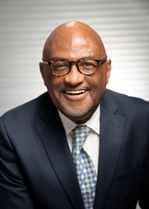
 Albert Whitaker